
August 19, 2026 · 6-min read
How Many Pallbearers Do You Need? Who to Ask and How
A short, clear guide to picking the right people to carry a casket, and asking them in a way that feels right.

To choose pallbearers, pick six to eight people who were close to the person who died, who are physically able to help carry or walk beside the casket, and who you trust to show up on time and hold themselves together for the service. Ask them directly and early, ideally within a day or two of setting the funeral date, so they have time to arrange travel or time off work.
There is no single right answer for who belongs on this list. But there is a clear, manageable way to work through the decision, so it stops feeling like one more impossible task on an already long list.
How Many Pallbearers Do You Need?
Most funeral homes ask for six pallbearers. Some caskets, especially heavier or larger ones, are easier to manage with eight.
Your funeral director will know the exact number for the casket you have chosen. Call and ask before you start inviting people, so you are not over- or under-inviting.
A few practical notes:
- Six is standard for most caskets.
- Eight is common for larger or heavier caskets, or if some pallbearers are older or less physically able.
- An odd number rarely works well, since pallbearers usually walk three or four to a side.
- If a chosen pallbearer cannot manage the physical lifting, they can still walk alongside as an honorary pallbearer (more on that below).
Who Should You Ask to Be a Pallbearer?
Think of pallbearers as the people who walked closely with the person who died, not necessarily the people with the closest blood relation. Common choices include:
- Adult children, grandchildren, nieces, and nephews
- Siblings and close cousins
- Lifelong friends, neighbors, or coworkers
- Members of a club, church, unit, or team the person belonged to
- Godchildren or close family friends who were like family
There is no rule that pallbearers must be men, or that they must be relatives. Many families now include daughters, granddaughters, and close female friends, and funeral homes are entirely used to this.
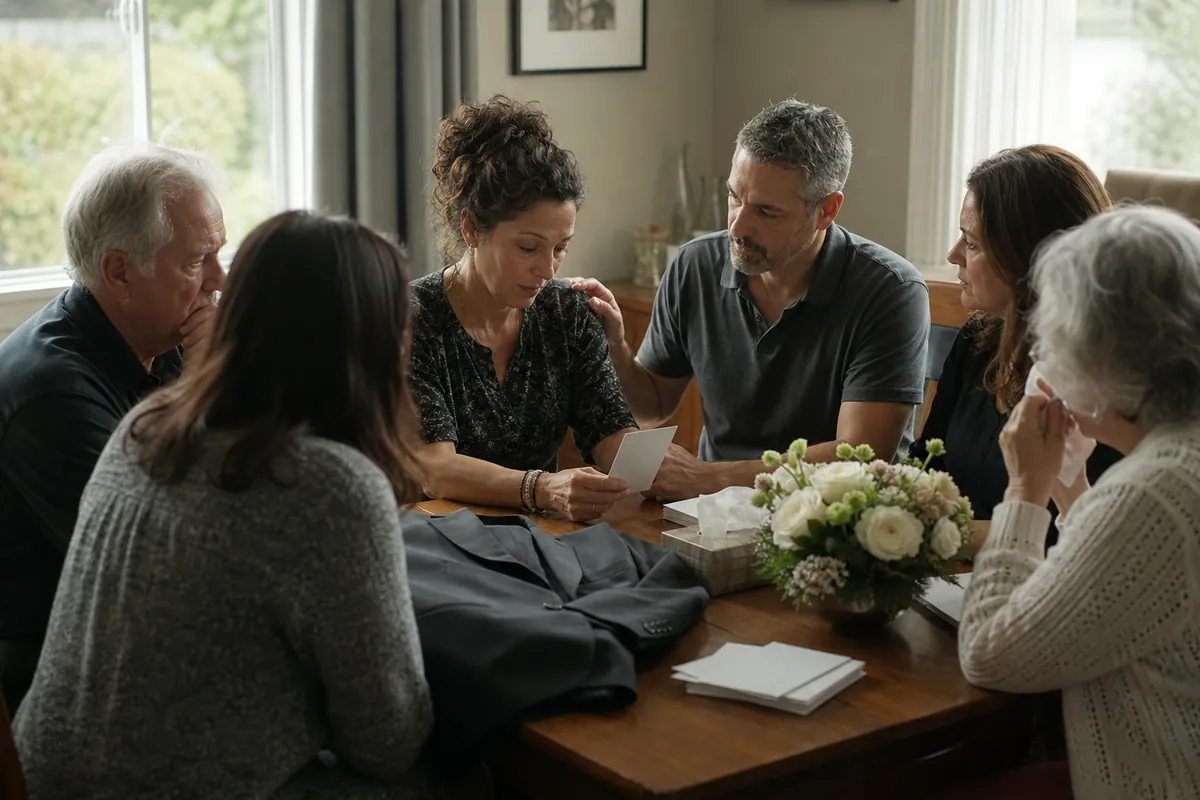
If choosing among many close people feels overwhelming, or if it is stirring up tension, you are not alone. This is one of the more common sources of friction in funeral planning, and it is worth reading what to do when family disagrees about funeral arrangements if it starts to feel like a bigger conflict than the moment calls for.
How Do You Ask Someone to Be a Pallbearer?
Ask in person or by phone, not by text or group message. Being asked to carry someone is an honor, and it deserves a real conversation, even a short one.
A simple way to say it:
"I would be grateful if you would be a pallbearer for [name]'s funeral. It's on [date] at [time]. Would you be willing?"
If you are asking someone who may not realize what is involved, add a line about what the role means in practice: they will need to arrive early for a brief walkthrough, stand near the casket during the service, and help carry it in and out.
Give people an easy way to decline. Something like, "No pressure at all if the timing doesn't work" takes the weight off and makes a genuine yes more likely.
Can Pallbearers Be Honorary Only?
Yes. An honorary pallbearer walks beside the casket or sits near the front but does not do any lifting. This is a kind way to include someone important, such as an elderly parent, a grandchild who is too young to help carry, or someone recovering from an illness or injury.
Most funeral homes are glad to add honorary pallbearers alongside the active ones, and the funeral program usually lists both groups separately.
What If You Don't Have Enough People?
It is common not to have six or eight obvious choices, especially for a smaller family or someone who outlived many of their friends. A few options:
- Ask the funeral home. Most funeral homes keep on-call staff who can serve as pallbearers, and this is a completely normal request, not a sign of anything lacking.
- Widen the circle. Coworkers, neighbors, or friends from a place of worship are often willing and honored to be asked, even if they were not the person's closest companion.
- Mix active and honorary roles. Fill the physical carrying with whoever is willing and able, and use honorary spots for anyone else you want to include.
There is no shame in needing help here. Funeral directors see this every week.
What Do Pallbearers Actually Do?
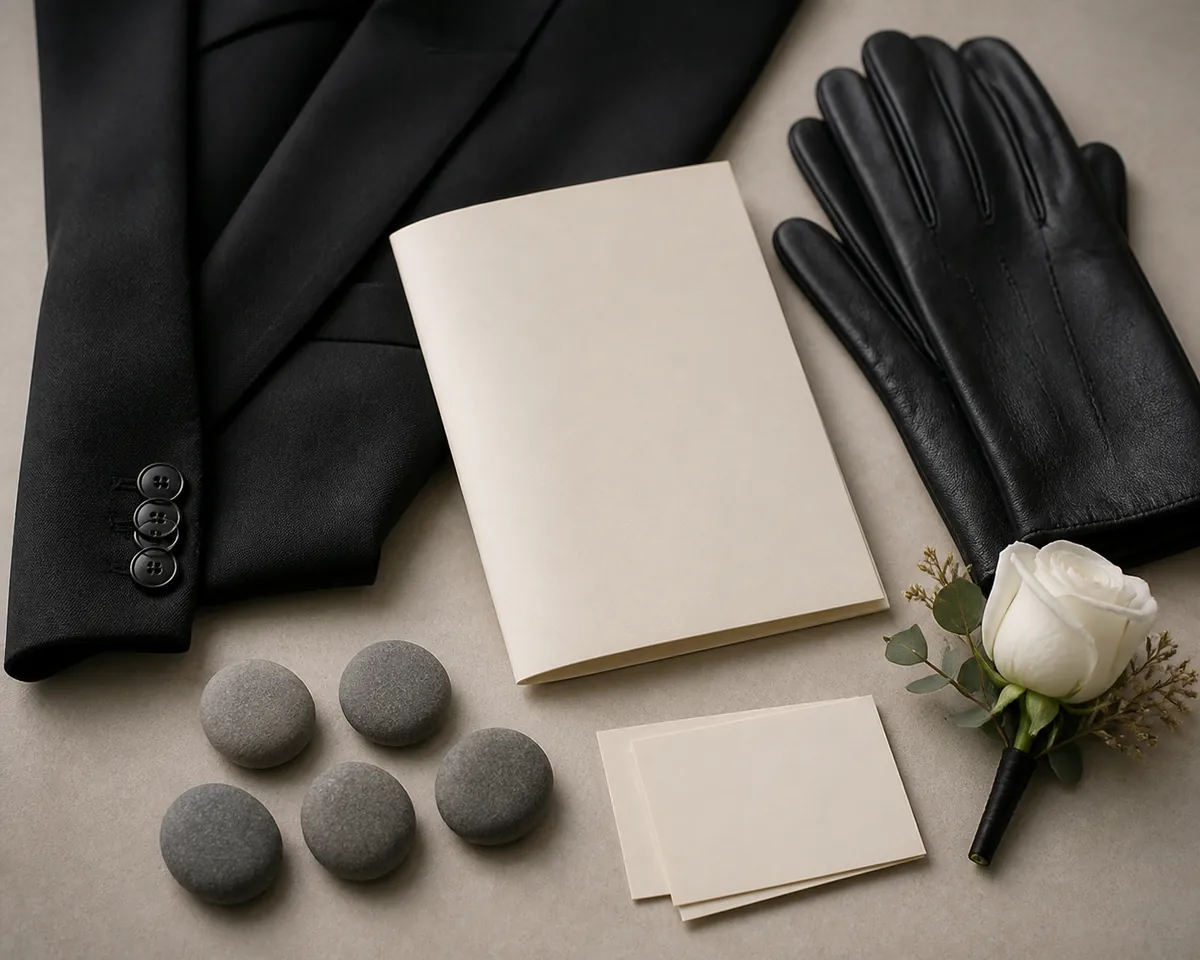
Pallbearers usually arrive 30 to 45 minutes before the service for a short walkthrough with the funeral director. Their main tasks are:
- Carrying or wheeling the casket from the hearse into the venue
- Standing near the casket, or in reserved seats, during the service
- Carrying the casket back out to the hearse afterward
- In some cases, carrying it again at the graveside
The funeral director will guide them through the exact steps on the day, so pallbearers do not need to memorize anything in advance. If you are also finalizing the printed program, our gentle checklist for what to include in a funeral program covers how to list pallbearer names correctly.
How Do You Thank Pallbearers Afterward?
A short, sincere note or call in the days after the funeral is enough. Many families also give a small keepsake, such as a card or a printed thank-you note, though this is entirely optional and never expected.
If you are still pulling together other parts of the service, from the printed program to a reading or slideshow, our Funeral Planning Guide walks through each piece in plain language, and our full shop has printable templates if you would rather not start from a blank page. Choosing pallbearers is one decision among many this week, and it does not need to be a hard one.
Frequently asked questions
- Do pallbearers have to be male?
- No. There is no rule that pallbearers must be men. Daughters, granddaughters, nieces, and close female friends carry caskets at many services, and funeral homes are used to it.
- Can a pallbearer also give a eulogy or reading?
- Yes, though it is worth checking they are comfortable doing both on the same day. Some people find carrying the casket emotionally taxing enough without also speaking, so ask how they feel about it.
- What do pallbearers wear?
- Dark, formal clothing that matches the tone of the service is standard, usually a suit or equivalent for men and a modest dark dress or suit for women, unless the family requests something specific.
- Is it rude to ask someone and have them say no?
- Not at all. Carrying a casket is physically and emotionally demanding, and a decline is common and understandable. Thank them for being honest and ask someone else.
- Do pallbearers get paid?
- No. Pallbearers are almost always family members or friends who serve as an honor, not a paid role. Funeral homes may provide staff to assist if a family cannot fill all the positions.
- pallbearers
- funeral planning
- funeral etiquette
- funeral checklist
- grief support
Related reading
- How to Word a Funeral Program for a Pet Loss ServiceSimple guidance on pet memorial service program wording, with copy-ready examples for cover pages, readings, and tributes.
- How to Plan a Funeral When You Live Far AwayA practical guide to planning a funeral from out of town, with steps for coordinating remotely, delegating locally, and staying organized.
- How to Choose Funeral Flowers When You Don't Know the ProtocolNot sure what flowers to send for a funeral? Here is a simple, honest guide to type, color, size, and timing for any relationship.