
July 27, 2026 · 6-min read
What to Do With a Loved One's Ashes: Options Beyond Burial
There is no single right answer here, only the answer that feels true for your family.
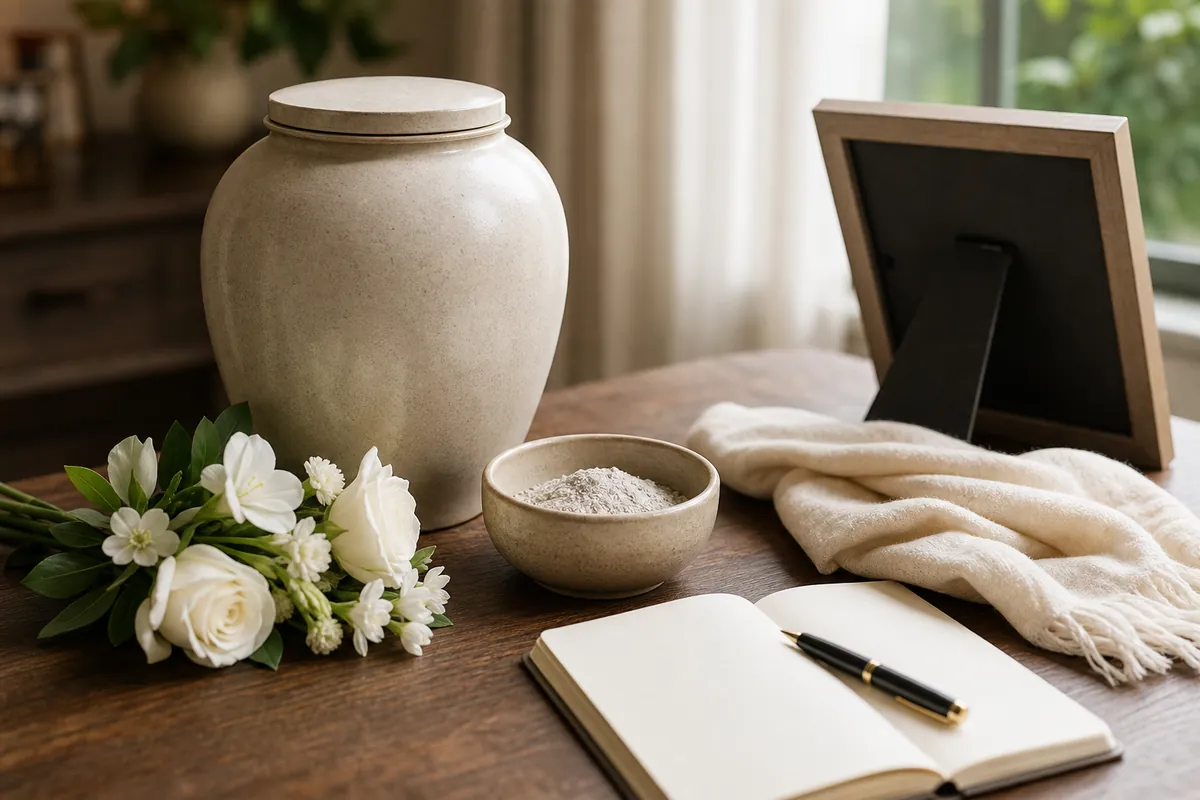
There is no single right way to handle a loved one's ashes. Most families choose from a small number of respectful options: keeping them at home, burying or interring them, scattering them somewhere meaningful, or turning a portion into a lasting keepsake. What matters most is that the choice feels right for your family, not that it matches anyone else's.
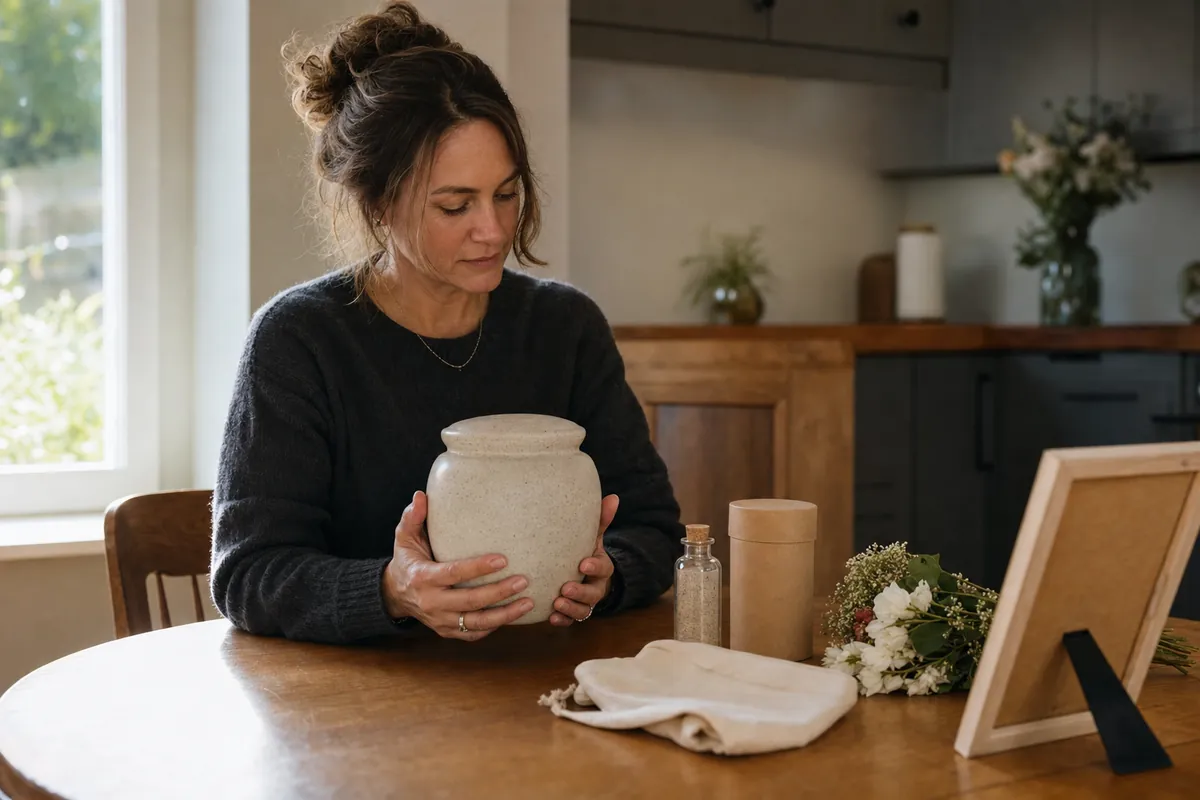
If you are holding an urn right now and feel unsure what comes next, you are not behind. Many people wait weeks or months before deciding, and that is completely normal.
What are the most common options for ashes?
Cremated remains can be handled in more ways than most people realize. Here are the paths families choose most often:
- Keeping the urn at home, on a shelf, mantel, or in a quiet corner of a room
- Burial, either in a cemetery plot or a family burial ground
- Interment in a columbarium niche, a small dedicated space at a cemetery or memorial site
- Scattering, at a place that held meaning for your loved one
- Dividing the ashes, so more than one family member can keep a portion
- Incorporating a small amount into a keepsake, such as jewelry, a piece of glass art, or a memorial stone
None of these is more "correct" than another. Some families combine two or three of them, burying most of the ashes while keeping a small portion at home.
Can I keep the ashes at home?
Yes. Keeping an urn at home is legal throughout the United States, and it is one of the most common choices. There is no requirement to inter or scatter ashes by any particular date.
Some families keep the urn somewhere visible, like a mantel or bookshelf. Others prefer a private space, such as a bedroom dresser or a dedicated shelf with photos and small mementos nearby. Either way is fine. This is often a good option when the family isn't ready to make a permanent decision, or when adult children live far apart and want time to agree on next steps together.
What if I want to scatter the ashes?
Scattering can feel like a fitting choice if your loved one had a place they loved: a favorite beach, a hiking trail, a garden, or a body of water they returned to often. It can also be a meaningful part of a celebration of life rather than a separate, formal event.
A few practical notes before you plan a scattering:
- Private land usually requires the landowner's permission.
- National parks and many state parks allow scattering with a permit, which you can typically request from the park office.
- Scattering at sea is permitted under federal guidelines, generally requiring a distance of at least three nautical miles from shore.
- Some cemeteries have dedicated scattering gardens if you would prefer a permanent, visitable location.
If you are scattering only some of the ashes and keeping the rest, let everyone attending know in advance. It avoids confusion in the moment and lets people prepare emotionally for what will happen to the remainder.
Are there other ways to honor the ashes?
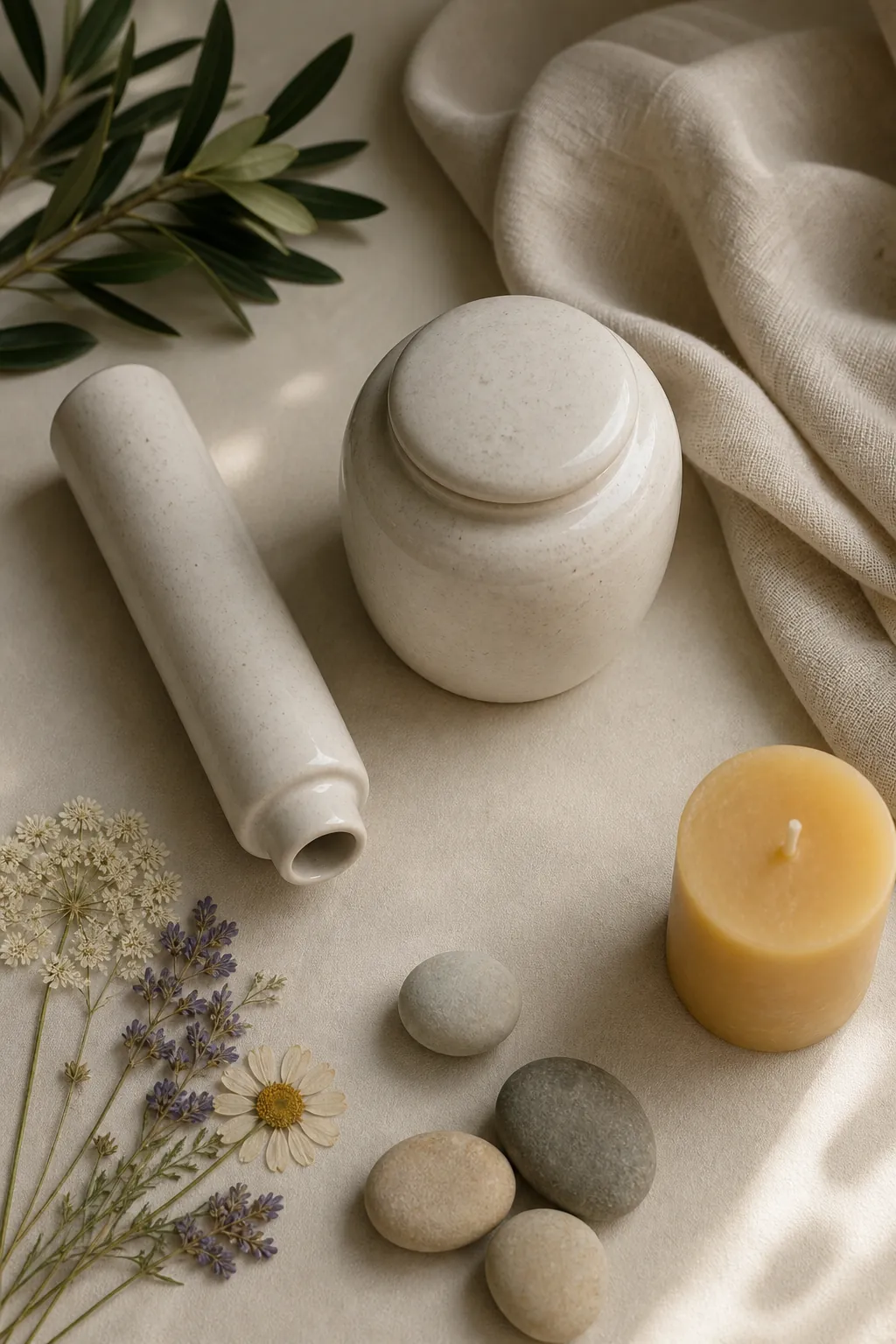
Many families choose to turn a small portion of ashes into something they can hold onto day to day, separate from the main urn. This isn't about replacing traditional memorialization. It's simply another way to keep a loved one close.
Common choices include:
- A small keepsake urn or locket that holds a pinch of ashes
- Ashes incorporated into blown glass, a garden stone, or a piece of jewelry
- Planting a tree or garden bed using a memorial urn designed to biodegrade
- A shared keepsake, so more than one family member has something to hold
If you're looking for simple, low-cost ways to give family members something to keep, our Keepsake & Legacy Ideas collection has printable options that pair well with a small keepsake urn or a scattering ceremony, things like memory cards or a simple keepsake insert. It's a small addition, not a replacement for the harder decisions.
What if my family disagrees about the ashes?
Disagreement is common, especially when siblings or a surviving spouse have different instincts about what feels respectful. A few things tend to help:
- Separate the decision from any deadline. There is no rule that says ashes must be dealt with within a certain time. Giving the conversation room to breathe often lowers the tension.
- Consider dividing the ashes so each person who wants to keep something can. This isn't possible or comfortable for every family, but it resolves a surprising number of disagreements.
- Choose a place everyone can visit, such as a columbarium niche or a scattering garden, if the sticking point is that one person wants a physical place to visit and another wants to scatter.
- Revisit the conversation later if it stalls. Grief timelines differ, and a decision that feels impossible now may feel clearer in six months.
How do I decide what's right for us?
There is rarely one perfect answer, only the option that feels true to how your loved one lived and what your family needs right now. Some helpful questions to sit with:
- Did they ever say, even in passing, where they'd want to rest?
- Is there a place that mattered to them, or to your family as a whole?
- Does anyone in the family need a physical place to visit?
- Would dividing the ashes ease more tension than it creates?
If you are still early in planning the service itself, our guide to writing a eulogy may help if that's the piece you're working on next. And if you want to look at other keepsake and memorial options beyond ashes specifically, our full shop has printable and small keepsake ideas organized by type.
Whatever you decide, it does not have to be permanent, and it does not have to be decided today.
Frequently asked questions
- Is it legal to keep ashes at home?
- In the United States, keeping cremated remains at home is legal in every state. There is no requirement to bury, scatter, or inter ashes, and many families keep them for months or years before deciding on a final resting place.
- Can I split ashes between family members?
- Yes. Ashes can be divided among family members, each keeping a portion in a small urn or keepsake. Funeral homes and crematories can usually help with this if you ask them directly.
- Do I need permission to scatter ashes?
- It depends on the location. Private land usually requires the owner's permission, many public parks require a permit, and scattering at sea generally must happen a set distance from shore under federal guidelines. Checking with the specific site or a local funeral director is the safest first step.
- How long can I wait before deciding what to do with the ashes?
- There is no deadline. Many families keep an urn at home for years while they decide, and that is completely normal. There is no wrong amount of time to take.
- What if my family disagrees about what to do with the ashes?
- This is common, and it often helps to separate the decision from the deadline. Options like dividing the ashes, choosing a place everyone can visit, or simply pausing the decision for a while can ease the tension without forcing a single choice too soon.
- cremation
- ashes
- memorial planning
- grief support
- keepsakes
Related reading
- How to Choose a Casket or Urn When You're OverwhelmedA plain guide to how to choose a casket or urn, with honest cost ranges, simple questions to ask, and ways to avoid pressure to overspend.
- How to Ask for Time Off Work for a FuneralLearn how to ask for time off work for a funeral, including what to say to your boss, how much time to request, and sample bereavement leave wording.
- What to Wear to a Funeral When You Don't Own BlackWhat to wear to a funeral if you don't have black clothes: stick to dark, muted, solid colors like navy, gray, or deep brown.