
June 10, 2026 · 6-min read
Celebration of Life Ideas: Planning a Service That Feels Like Them
A gentle guide to planning a service that truly feels like the person you love.
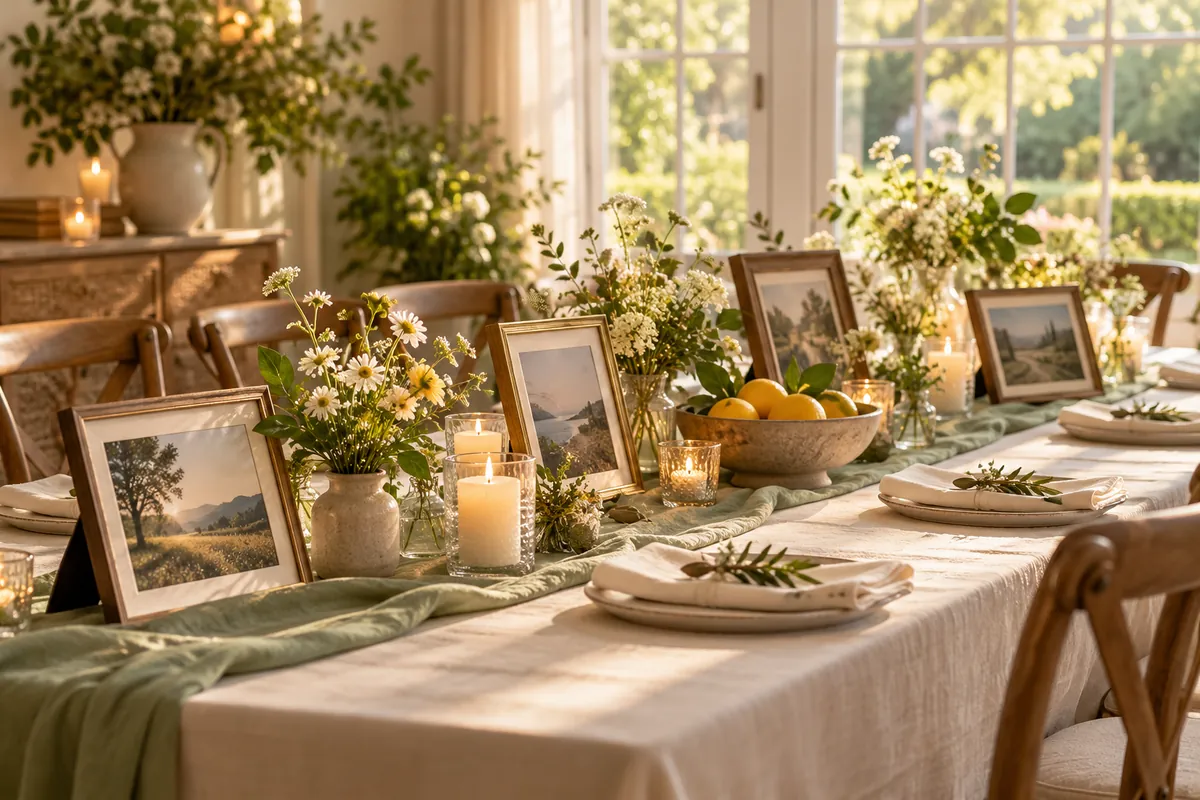
A celebration of life is a service that honors how someone lived, rather than focusing only on their passing. The best celebration of life ideas come from one simple question: what made this person feel like themselves? Their music, their humor, the meal they always cooked, the way they made people feel welcome. You build the day around those things.
If you are planning one now, you may feel overwhelmed and unsure where to begin. That is normal. This guide walks you through it gently, one piece at a time, with examples and wording you can use as you go.
What is a celebration of life?
A celebration of life is a gathering held to remember and honor someone who has died. It tends to be less formal than a traditional funeral, and it puts the focus on their personality, passions, and the love they leave behind.
There are no fixed rules. It can be held in a chapel, a backyard, a community hall, or a quiet spot in nature. It can be tearful, warm, even full of laughter. What matters is that it feels like them.
How do you make a service feel personal?
Start with who they were, not with a checklist. Think about the small, specific things people would recognize instantly.
- Their passions: gardening, fishing, music, sports, faith, cooking, travel.
- Their style: quiet and reflective, or lively and full of stories.
- Their signatures: a favorite saying, a go-to recipe, a song they always hummed.
- The way they connected: big family dinners, long phone calls, helping neighbors.
Pick two or three of these and let them shape everything else, from the music to the food to the words spoken. A service built around a real person always feels more true than one built around a template.
What are some meaningful theme ideas?
A gentle theme can give the day a sense of cohesion without feeling staged. A few that families find comforting:
- A favorite place: the beach, the mountains, the family farm.
- A passion or hobby: their garden, their workshop, their love of the ocean.
- A color or flower they loved, woven through the decor and printed pieces.
- A decade or era that shaped them, reflected in music and photos.
- A shared meal: their best dish, or the restaurant they always chose.
Keep it light. A theme is a thread, not a costume. One or two touches are enough to make people feel they have stepped into the person's world.
What activities bring people together?
A celebration of life is often most healing when guests can take part, not just sit and listen. Gentle, low-pressure ways to involve people:
- A memory table with photos, objects, awards, or a well-loved hat.
- Open sharing, where anyone can step up and tell a short story.
- A guest message book or cards guests fill in with a memory.
- A memory jar, where people drop in written notes to keep afterward.
- A group activity they loved, like planting a tree, releasing flowers on water, or a favorite song everyone sings.
- A shared meal featuring dishes they were known for.
Choose only what feels manageable. Two or three meaningful moments are plenty.
How do you choose music and photos?
Music and images carry memory in a way words cannot. Pick songs the person actually loved, even if they are unexpected. A playlist can move from quiet pieces during arrival to warmer, more uplifting songs near the end.
For photos, gather a range across their whole life, not just recent ones. Childhood, young adulthood, family, friends, ordinary days. A memorial slideshow is one of the most moving parts of many services. If you are putting one together, our guide to choosing photos and music for a memorial slideshow walks you through how many to use and how to pace them.
What do you say and print for the day?
You do not need formal speeches. A simple welcome, a few shared memories, and a closing thank-you are enough. If you would like a structured flow, what an order of service includes explains the common parts and how to arrange them.
A printed keepsake helps guests follow along and gives them something to take home. Many families include a short order of the day, a poem or reading, a favorite photo, and a few words of thanks. Some simple wording for the cover or opening line:
- "In loving memory of [Name]"
- "Celebrating the life of [Name], [years]"
- "With gratitude for a life well lived"
- "Join us as we remember [Name] with love"
If you are unsure what to write inside, our funeral program wording examples you can copy offer phrases you can adapt to your own family.
A gentle planning checklist
When you are ready, work through it in small steps. There is no need to do it all in one day.
- Choose a date, time, and setting.
- Decide on a theme or two or three personal touches.
- List who will speak or share, and roughly how long.
- Choose music for arrival, the slideshow, and the close.
- Gather photos and any keepsakes for a memory table.
- Plan food or refreshments, however simple.
- Prepare a printed program or keepsake for guests.
- Ask one or two friends to help on the day so you can be present.
If printed keepsakes would help, we offer simple, editable memorial printables in our shop that you can personalize at home, including programs, order of service sheets, and keepsake cards.
Letting the day feel like them
There is no perfect way to do this, and you do not have to get it right. A celebration of life is simply a chance to gather the people who loved someone and to say, together, that their life mattered.
Choose the pieces that feel honest. Leave out anything that feels like pressure. The day will feel like them not because every detail is flawless, but because it was made with love.
Frequently asked questions
- What is the difference between a celebration of life and a funeral?
- A funeral is usually a more traditional service held soon after a death, often with the body present. A celebration of life is typically less formal, can happen any time, and focuses on honoring how the person lived.
- How long after a death should a celebration of life be held?
- There is no rule. Some families hold one within a week or two, others wait a month or longer so travel and planning feel less rushed. Choose the timing that lets the right people gather.
- How long should a celebration of life last?
- Most last about one to two hours, sometimes longer if there is a meal or open sharing afterward. Plan a loose flow rather than a strict schedule so the day can breathe.
- Do you need a venue for a celebration of life?
- No. Many are held at homes, parks, gardens, beaches, or a favorite restaurant. The setting matters less than choosing a place that felt meaningful to the person.
- What should you say to open a celebration of life?
- A simple welcome works best. Thank everyone for coming, say a few words about why you have gathered, and invite people to share memories. You do not need a polished speech.
- celebration of life
- memorial planning
- funeral ideas
- memorial service
- remembrance
Related reading
- How to Word a Funeral Program for a Pet Loss ServiceSimple guidance on pet memorial service program wording, with copy-ready examples for cover pages, readings, and tributes.
- How to Choose Funeral Readings That Aren't ReligiousChoose non religious funeral readings with confidence. Practical tips, themes, and copy-ready wording for a secular service that still feels meaningful.
- Funeral Reception Ideas: Food, Venue and What to ExpectHow to plan a funeral reception: venue options, simple food ideas, setup and what guests can expect after the service.