
November 4, 2026 · 6-min read
Should Children Attend a Funeral? How to Decide and Prepare
There is no perfect age, only a child who is told the truth gently and given a choice.
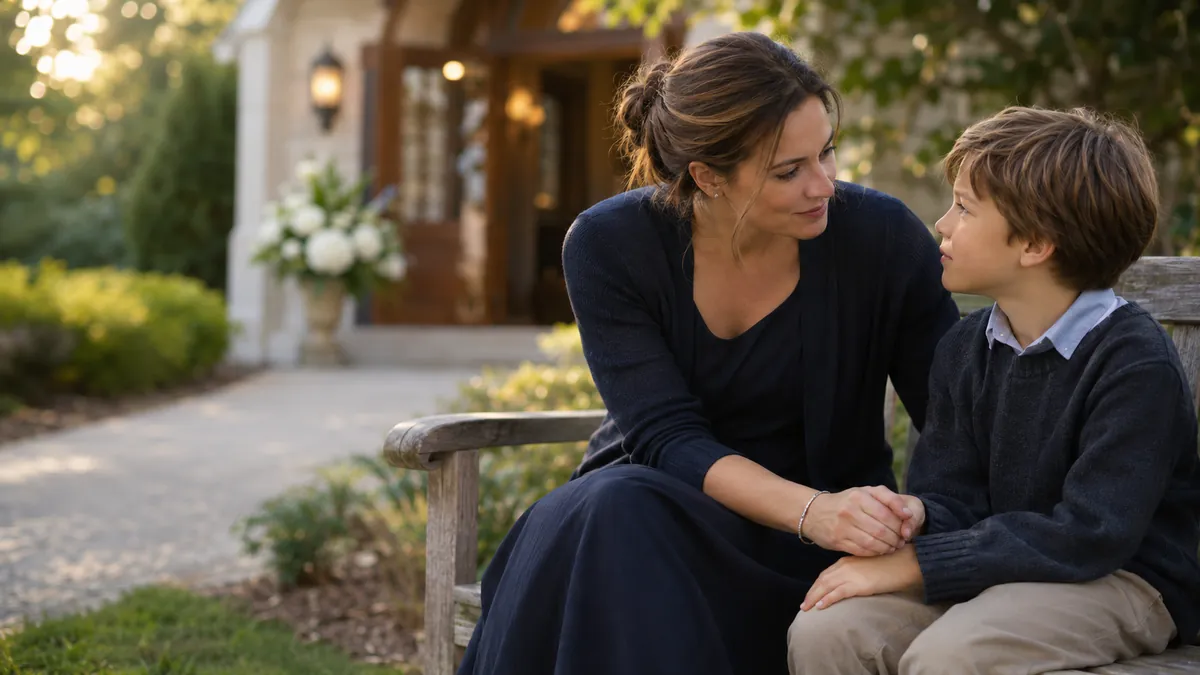
Should children attend a funeral? In most cases, yes, as long as they are told what to expect and are given a real choice. There is no set age. It depends on the child, the service, and the caring adult beside them.
If you are making this decision while you are grieving yourself, go easy on yourself. You do not need to get it exactly right. You only need to be honest, kind, and available.
Does age matter when deciding?
Age matters less than understanding and temperament. Still, a few general guides can help.
- Babies and toddlers: They will not understand, but they can be present. Plan for an adult who can step outside if they get fussy.
- Ages 4 to 7: Children this age often think death is temporary. They can attend if you explain it in simple, literal words.
- Ages 8 to 12: They usually understand that death is permanent. They often want a role and a clear picture of what will happen.
- Teenagers: They should almost always be invited and asked what they want. Being left out can feel like being shut out of the family.
How do I decide if my child is ready?
Think about the child you know. A few questions can guide you.
- Does your child usually cope well with new places and unfamiliar people?
- Can they sit quietly for a short time, or leave easily if they cannot?
- Did they know the person who died, and do they seem to want to say goodbye?
- Will an adult be free to sit with them and focus only on them?
- Have they asked about the funeral on their own?
If most answers are yes, attending is likely a good choice. If you are unsure, ask your child. Many children surprise us with how clearly they know what they need.
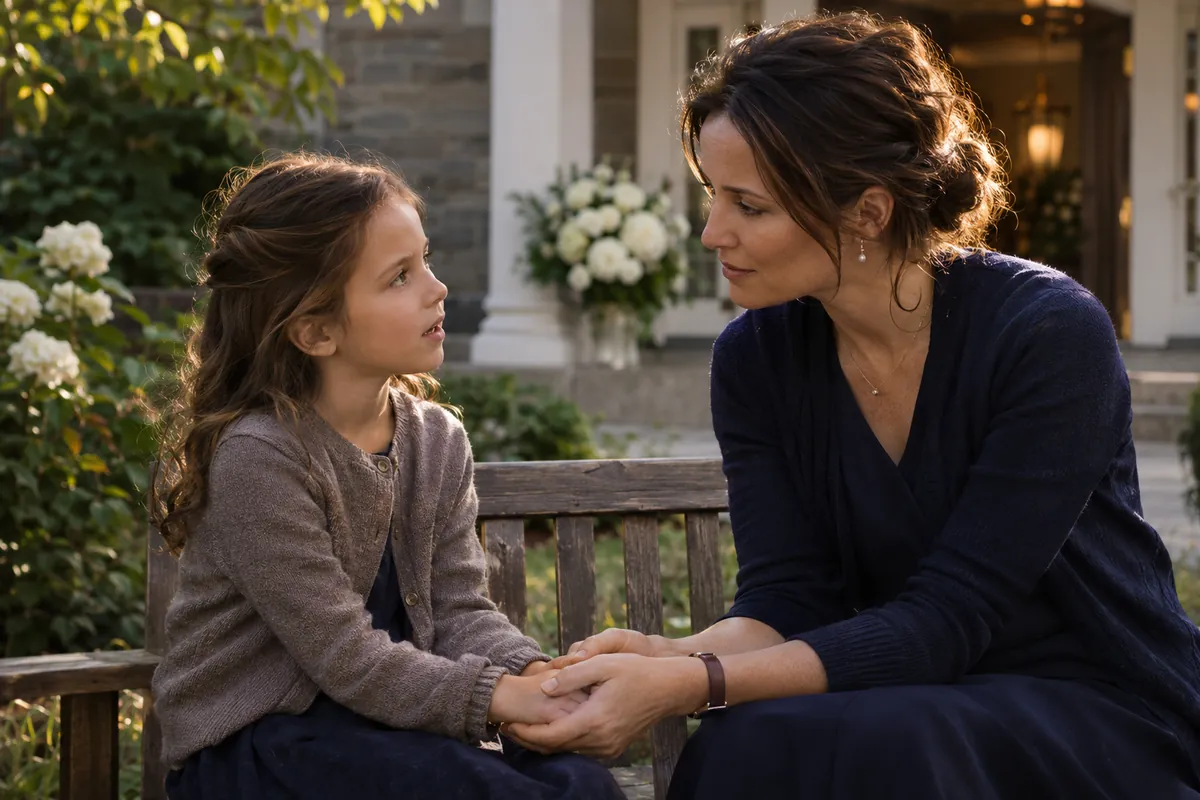
What should I tell my child before the funeral?
Use plain, true words. Avoid phrases like "gone to sleep" or "we lost him." Young children may take these literally and become frightened of bedtime or of getting lost.
You might say:
- "Grandpa died. That means his body stopped working and it cannot start again."
- "A funeral is a gathering where we say goodbye and remember him together."
- "People may cry. Some may laugh when they share stories. All of that is okay."
- "You can ask me anything, before, during, or after."
Then walk through the day in order. Tell them where you will go, who will be there, how long it will last, and what will happen.
What will they see and hear?
Children cope better with the unknown when it becomes known. Describe each part of the day before it happens.
- The place. "We will go to a church (or funeral home, or garden). There will be flowers and chairs."
- The casket or urn. "Grandpa's body will be in a special box called a casket. It will be closed (or open)."
- The people. "Many people will be sad. Some will hug us. You do not have to hug anyone."
- The service. "Someone will speak. We may sing or pray. Then we will say goodbye."
- After. "We may go to the cemetery, then eat together with family."
If there will be a viewing, explain it carefully. Say the body will look still, and that it cannot feel anything. Let your child decide whether to look.
Who should sit with my child?
Choose one calm, trusted adult whose only job is your child. This is often not the parent, especially if the parent is the one grieving most deeply. A close aunt, family friend, or older cousin can be ideal.
Agree on a quiet signal for leaving, such as a squeeze of the hand. Choose a place to go, such as a hallway or a car, where your child can take a break without being sent away. If it helps, read what to bring to a funeral for small, respectful items that can make the day easier.
A small comfort bag can help too:
- A favorite stuffed animal or blanket
- A quiet activity, such as paper and a pencil
- A tissue or handkerchief
- A snack and a water bottle

Can my child take part in the service?
Many children feel better when they have a small, optional role. It gives them something to do with big feelings. Offer a few choices and let them pick, or say no.
- Draw a picture to place near the casket or photo
- Choose a flower or a favorite photo
- Write a short note or card to tuck in
- Light a candle with an adult
- Hand out programs
Never insist. A role should feel like a gift, not a duty.
What if my child does not want to go?
Respect it. Forcing a child to attend can leave a painful memory. Not attending does not mean they will grieve less.
Offer another way to say goodbye:
- A small ceremony at home with a candle, a photo, and a few words
- Writing or drawing a letter to the person
- Visiting the grave or a favorite place later
- Watching a recording or looking at the program afterward
Tell them clearly that the choice is theirs, and that they can change their mind up to the last moment.
What should I do during and after the service?
Stay close and watch for signs they need a break. Some children cry. Others play, ask blunt questions, or seem untroubled. All of this is normal. Children often grieve in short bursts and then return to play.
Afterward, check in gently:
- "What was the hardest part for you?"
- "Was there anything that felt strange or confusing?"
- "Would you like to look at pictures of Grandpa together?"
Expect questions to return in the days and weeks ahead. Answer them again, as often as they ask.
Is there a guide that can help?
If you would like support putting these ideas into words, Helping Children Grieve is a printable guide you can keep close by. You can also browse the rest of the Stillwater Memorials shop for printed keepsakes, should you want something to share at the service.
Whatever you decide, your child will remember that you were honest and that you stayed near. That is what matters most.
Frequently asked questions
- What age is too young to go to a funeral?
- There is no age that is automatically too young. Babies and toddlers can be present if a trusted adult is free to step out with them. Children from about age four or five can usually be told what to expect and asked whether they want to come.
- Should a child see the body at a viewing?
- Only if they want to, and only after you have described what they will see. Explain that the body is still and cold, and that it does not feel pain. Let them stand near you, and let them leave at any point.
- What do I say if my child asks why everyone is crying?
- You can say that people cry because they are sad and because they love the person who died. Add that crying is a healthy way to show feelings, and that it is fine for them to cry or not cry.
- Is it harmful if a child does not attend the funeral?
- Not usually. What matters most is that the child is told the truth and has another way to say goodbye, such as a small ceremony at home, a letter, or a visit to the grave later.
- children and funerals
- child grief
- funeral etiquette
- explaining death to children
- funeral planning
Related reading
- How to Choose a Funeral Officiant: Questions to Ask FirstHow to choose a funeral officiant when you have no clergy connection: who can lead a service, where to find them, and what to ask before you decide.
- How to Ask Someone to Give a Eulogy, With Wording to CopyLearn how to ask someone to give a eulogy kindly, with wording for a call, text, or in-person request and a gentle way to let them decline.
- How to Plan a Graveside Service: Order, Length, and WordsHow to plan a graveside service: the usual order, how long it lasts, who speaks, and simple words you can use. A gentle guide for a burial-only service.