
November 16, 2026 · 8-min read
How to Plan a Funeral When Someone Dies Overseas
When the call comes from thousands of miles away, the grief is the same, but the path forward is not.
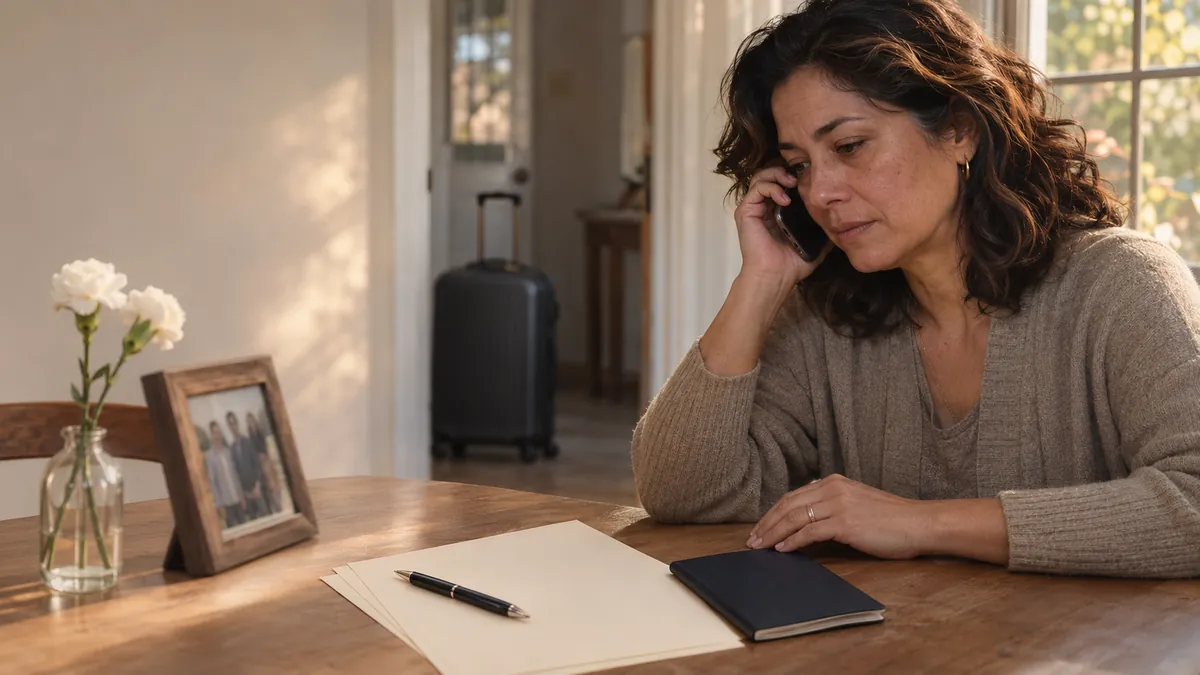
When someone dies overseas, start by contacting the local authorities or hospital and the nearest US embassy or consulate, then decide whether to repatriate the remains, cremate abroad, or hold a memorial without the body present. From there, every decision depends on the country, your budget, and what your family needs to feel at peace.
This is one of the hardest situations a family can face. You are grieving and exhausted, and now you are also trying to navigate a foreign system, a time difference, and paperwork in a language you may not read. Take a breath. Here is what actually needs to happen, in order.
What should I do in the first 24 hours?
The first day is about information, not decisions. You do not need to plan a funeral yet. You need to understand what you are dealing with.
- Contact the US embassy or consulate in the country where the death occurred. They assist US citizens who die abroad and can explain local requirements.
- Ask for the name of a local funeral home that handles international cases. Embassies often keep a list.
- Get the death certificate started. Most countries require this before any remains can move or be cremated.
- Notify your family's chosen funeral home back home, even if you have not decided on repatriation yet. They can start guiding you immediately.
- Write down every name and phone number you are given. You will be speaking to many people, and it is easy to lose track.
If you are the only family member handling this, it can feel impossibly heavy. You might find How to Plan a Funeral When You're the Only Family Member Left useful alongside this guide.
Do I have to bring the remains home?
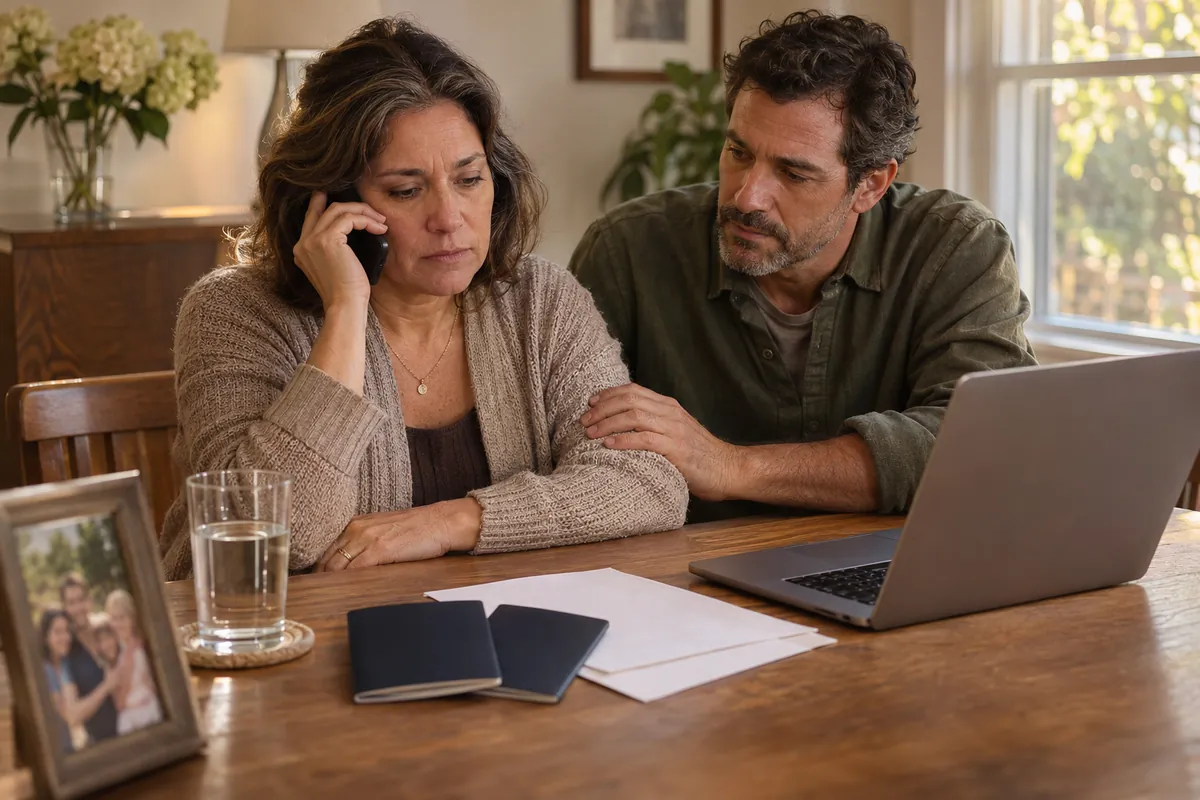
No. You have three real options, and none of them is wrong.
- Repatriation – the body is embalmed or prepared under local law and flown home for burial or cremation here.
- Cremation abroad – the person is cremated in the country where they died, and you bring the ashes home instead of the body.
- Burial abroad – some families choose to bury their loved one in the country where they died, especially if that was a meaningful place to them.
Think about what your loved one would have wanted, what your family can manage emotionally, and what you can afford. There is no requirement to bring a body home if cremation or local burial makes more sense for your situation.
What does repatriation actually involve?
Repatriation means coordinating between a funeral provider overseas and one at home. It usually involves:
- Embalming or preparation that meets both countries' legal requirements
- A sealed, approved casket or container for air transport
- An official death certificate, often with a certified translation
- Export and import permits, which vary by country
- Airline booking for human remains, arranged through the funeral home
- A receiving funeral home at home to handle the arrival
Your consular contact and the funeral homes on both ends will walk you through the specific paperwork. You rarely have to figure this out alone. Ask directly, "what documents do you need from me, and in what order."
How do I handle a service when I live far away?
Many families hold the memorial before the remains or ashes even arrive. This is common and completely acceptable. You might:
- Hold a memorial service now, with a photo, a candle, or a favorite object standing in for the body
- Plan the burial or final goodbye for later, once everything has arrived
- Combine both into one event if timing allows
If distance is part of your difficulty even beyond the international piece, How to Plan a Funeral When You Live Far Away covers coordinating logistics from afar in more detail.

What should I expect to pay?
Costs vary enormously by country, airline, and whether embalming is required. Be aware of:
- Local funeral home fees in the country of death
- Preparation and transport costs for repatriation
- Airline fees for shipping remains, which are separate from passenger fares
- Receiving funeral home fees at home
- Document translation and certification fees
Ask about travel insurance, international health coverage, or any employer-provided policy the person had. Some plans include repatriation benefits that families do not realize exist. If money is tight regardless, How to Plan a Funeral When There's No Money for One has practical guidance on reducing costs without losing dignity.
What paperwork will I actually need?
Keep a folder, physical or digital, with these documents as they arrive:
- Local death certificate (and certified translation if needed)
- Consular report of death abroad, issued by the embassy
- Cremation certificate, if applicable
- Export permit from the country of death
- Import permit or customs clearance for the destination
- Passport or ID copies of the deceased
Having these organized in one place saves enormous time and stress when you are also trying to plan a service.
How do I plan the service itself once things calm down?
Once the remains or ashes have arrived, or once you have decided to move forward without them, the service planning becomes more familiar ground. You will want to think through the order of the service, who speaks, and how to honor someone whose life may have spanned two countries or cultures.
A simple printed program can help guests understand the order of events and hold onto something meaningful afterward. Many families putting this together while juggling overseas logistics find it easier to work from a ready-made template rather than starting from a blank page. Our Funeral Planning Guide is built for exactly this kind of situation, with checklists and wording you can adapt to your family's story. You can also browse the full shop for programs, prayer cards, and other printables if you need them for the day.
A gentler way forward
There is no single right way to handle a death overseas. Some families bring their loved one home. Some let them rest where they died. Some hold two small ceremonies instead of one big one. All of these are acts of love.
Give yourself permission to move at the pace the paperwork allows, not the pace grief wants. The service, when it happens, will still be meaningful, even if it comes later than you expected.
Frequently asked questions
- How long does it take to bring a body home from another country?
- It varies widely by country, but repatriation commonly takes anywhere from one to three weeks once paperwork is complete. Delays are common, so build flexibility into any service date you are planning.
- Who pays for repatriation of remains from overseas?
- The family is usually responsible unless the deceased had travel insurance, international health coverage, or embassy assistance that covers it. Ask the funeral home and any insurer directly what is covered before agreeing to services.
- Can I have a funeral without the body being present?
- Yes. Many families hold a memorial service right away and either wait for the remains to arrive for burial later, or choose cremation abroad and bring the ashes home instead.
- Do I need a special permit to bring ashes into the United States?
- Cremated remains generally do not require the same permits as a body, but you will usually need a cremation certificate and death certificate to bring them through customs. Check with the airline and destination country ahead of travel.
- What is the first call I should make when someone dies overseas?
- Contact the local authorities or hospital where the death occurred first, then call the nearest US embassy or consulate. They can guide you through the next steps and connect you with a local funeral provider.
- funeral planning
- repatriation
- grief support
- international death
- funeral logistics
Related reading
- How to Plan a Funeral When You Can't Afford to Take Time Off WorkA realistic guide to planning a funeral while still working full time, with a compressed timeline and tasks you can do on breaks or in the evening.
- How to Choose Funeral Readings From the Bible When You Don't Know Where to StartA simple guide to choosing bible verses for funeral service readings, with examples by situation and tips for reading them aloud.
- How to Word a Bereavement Leave Request: Email and Text TemplatesHow to word a bereavement leave request to your employer, with short email and text message templates for a parent, a relative, a friend or a funeral far from home.